After five years of continuous coverage, Abhishek Shukla, 29, a Mumbai-based finance professional, ported his family floater health insurance policy in September 2024 as he was dissatisfied with the offerings. At the time of porting, he was assured that the waiting period benefit he had accumulated in the previous policy for certain diseases would continue in the new policy as well. However, earlier this year, when he raised a hospitalisation claim for his mother, Kusum, 52, the new insurer rejected his claim of Rs 56,156, citing the waiting period exclusion related to an intervertebral disc disorder.
Usually, health insurance policies do not cover certain pre-existing diseases and related treatments for a fixed number of years. That is known as the waiting period. However, once that period is over, the disease gets covered. Health policy is renewable annually and is considered continuous if renewed regularly.
Says Abhishek: “After years of continuous coverage and clear portability assurances, my mother’s hospitalisation claim was denied, citing ‘misrepresentation’, a vague term. The medical clarifications I had submitted (including the doctor’s note saying that the medical records were accurate) were ignored. Health insurance should protect families. This claim needs a fair, transparent, and urgent review.”
Under the Insurance Regulatory and Development Authority of India (Irdai) rules, waiting periods are not reset when you port a health insurance policy, but are carried forward with specific conditions. The new insurer had initially rejected the claim due to the waiting period issue. Later, when Abhishek called the insurer again, it said that was not a concern, and the reason for rejection was the alleged misrepresentation of documents, but gave no further clarification.
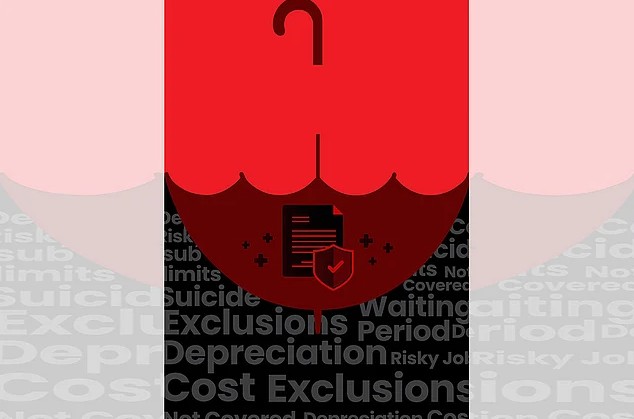
Such disputes highlight a broader issue many policyholders face: understanding what insurance policies actually cover. While health, life, and motor insurance are meant to provide financial protection, exclusions, waiting periods, and policy conditions often determine what is covered and whether a claim is paid or rejected.
Exclusions refer to conditions or diseases that an insurance policy does not cover. For consumers, these fine-print clauses can make a critical difference at the time of need.
Says Amarnath Saxena, chief technical officer–commercial, Bajaj General Insurance: “Insurance is ultimately a contract of trust, and exclusions are not barriers, but boundaries that define the scope of protection. For consumers, clarity around these boundaries is critical to align insurance with their broader personal finance goals.”
According to grievance patterns observed by Insurance Samadhan, a platform that helps policyholders resolve insurance disputes, in 60 per cent of the cases, the policyholder either lacks information on policy coverages or doesn’t understand the requirement of disclosing pre-existing diseases or lifestyle habits at the time of purchase.
Not being aware of these can create problems at a stage when you really need financial support. We take a look at common exclusions in health, life and auto insurance you should know about to ensure you are not taken by surprise in times of need, and your protection is robust.