Motor insurance is something every vehicle owner in India needs, yet most people barely understand what they are actually buying. Whether you ride a two-wheeler to work or own a family car, the right vehicle insurance policy can save you from massive out-of-pocket expenses after an accident, theft, or natural disaster.
This guide walks you through everything you need to know about what is motor insurance, the different types available in India, and how to choose the one that actually makes sense for you.
Key Takeaways
- Motor insurance in India is mandatory for all vehicles under the Motor Vehicles Act, 1988, and driving without it can lead to fines or legal action.
- There are three main types of motor insurance: third-party liability, own damage, and comprehensive cover, each serving different protection needs.
- Choosing the right policy depends on your vehicle type, usage, budget, and the level of protection you want.
So, What Exactly is Motor Insurance?
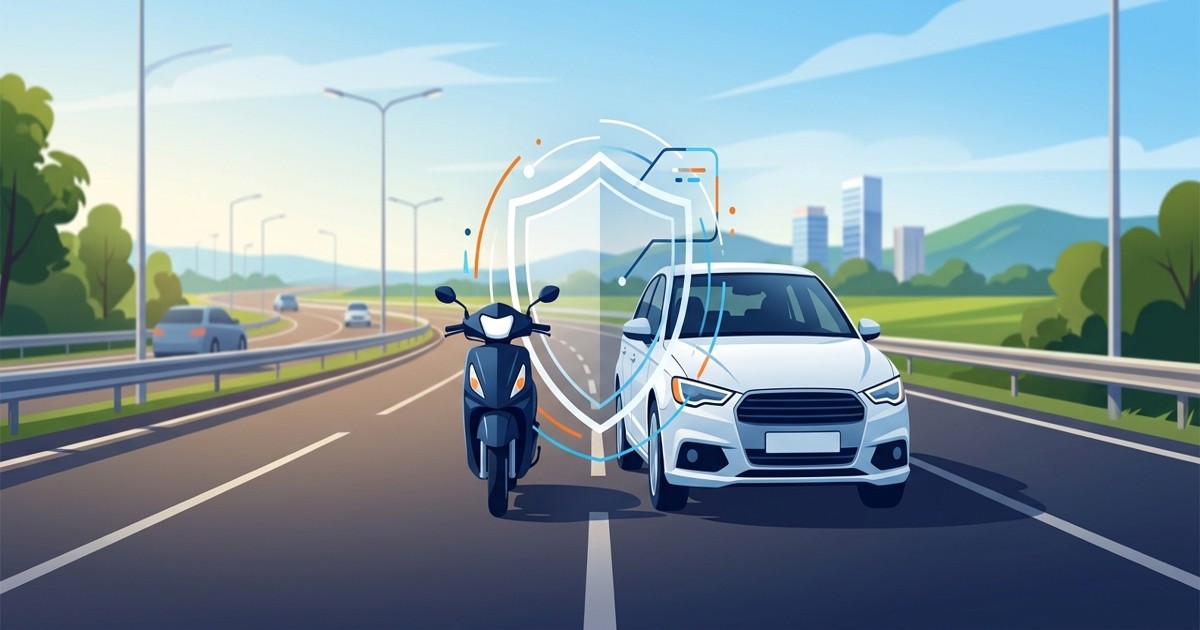
Motor insurance is a contract between you and an insurance company where you pay a premium, and the insurer agrees to cover financial losses arising from accidents, theft, or damage involving your vehicle. It protects you from liabilities that can arise if your vehicle injures someone or damages someone else’s property.
In India, having at least a basic third-party motor insurance policy is not optional. It is a legal requirement, and every vehicle that operates on public roads must carry valid insurance under the Motor Vehicles Act, 1988.
Think of it this way. If you are involved in a road accident and someone gets hurt, the medical costs and legal claims can run into lakhs of rupees. Motor insurance steps in so you are not personally paying for all of that.
Types of Motor Insurance in India
Understanding the types of vehicle insurance available helps you make a smarter buying decision. Here is a clear breakdown of what is available in the Indian market.
Third-Party Liability Insurance
This is the most basic and legally mandated form of motor insurance in India. It covers damages or injuries caused to a third party (another person, their vehicle, or their property) due to an accident involving your vehicle. What it does NOT cover is any damage to your own vehicle or injuries to yourself.
Third-party insurance is the minimum legal requirement, but it leaves you financially exposed when your own vehicle is damaged. It works best if you own an older vehicle where repair costs are relatively low.
Own Damage (OD) Insurance
Own damage insurance covers repair or replacement costs for your own vehicle when it is damaged due to an accident, fire, natural calamity, or theft. It does not cover third-party liabilities on its own.
Since 2019, insurers have been allowed to offer own damage policies separately. So, if you already have a long-term third-party policy but want to switch your OD insurer, you can do that independently. This gives vehicle owners more flexibility and room to compare prices across providers.
Comprehensive Motor Insurance
A comprehensive motor insurance policy combines both third-party liability and own damage cover into one plan. This is the most complete form of vehicle protection available in India.
Here is what a comprehensive policy typically covers:
- Damage to your own vehicle from accidents, fire, or natural disasters
- Theft of your vehicle
- Third-party bodily injury and property damage
- Personal accident cover for the owner-driver
Comprehensive plans are ideal for new vehicles, high-value cars, or anyone who wants full peace of mind. You can also add add-on covers like zero depreciation, engine protection, roadside assistance, and return to invoice to enhance your policy further.
Commercial Vehicle Insurance
If you own a vehicle that is used for commercial purposes, such as a taxi, truck, auto-rickshaw, or goods carrier, you need commercial vehicle insurance. This is a separate category from personal motor insurance because commercial vehicles carry higher risk due to longer operating hours and more frequent road exposure.
Commercial vehicle insurance covers damage to the vehicle, third-party liabilities, and in some cases, cargo damage. Speaking with a trained Insurance Advisor can help you compare suitable plans from multiple insurers for your specific business vehicle needs.
Two-Wheeler Insurance
Two-wheeler insurance is specifically designed for bikes, scooters, and mopeds. India has one of the highest concentrations of two-wheeler users in the world, and unfortunately, two-wheelers are also among the most accident-prone vehicles on the road.
Just like car insurance, two-wheeler insurance comes in third-party, own damage, and comprehensive variants. If you ride daily, a comprehensive plan with add-ons like zero depreciation and roadside assistance is absolutely worth considering.
What Does Motor Insurance Actually Cover?
Coverage varies depending on the type of plan you choose. Here is a quick overview to help you understand what to expect:
- Accidental damage: Repair costs when your vehicle is damaged in a collision
- Natural calamities: Floods, earthquakes, landslides, and similar events
- Fire and explosion: Damage due to fire, self-ignition, or lightning
- Theft: Full replacement value or agreed vehicle value if stolen
- Third-party liability: Legal and financial liability for injuries or damage to others
- Personal accident cover: Compensation for the owner-driver in case of death or disability
Standard policies typically exclude wear and tear, mechanical breakdowns, driving under influence, and damage outside geographical limits. Always read the policy wording carefully before buying.
How Add-Ons Can Strengthen Your Motor Insurance
One of the smartest things you can do with a comprehensive motor insurance policy is layer it with add-on covers. These optional riders cost a small extra premium but can make a significant difference at claim time.
Some popular add-ons available in India include:
- Zero Depreciation Cover: You get the full repair cost without depreciation deductions on parts
- Engine Protection: Covers engine and gearbox damage due to waterlogging or oil leakage
- Return to Invoice: In case of total loss or theft, you get the original invoice value of the car
- Roadside Assistance: Help with towing, flat tyres, fuel delivery, and emergency support
- No Claim Bonus Protection: Your NCB discount is preserved even after making one claim
- Key Replacement: Covers the cost of replacing lost or broken keys
The right combination of add-ons depends on your vehicle age, how much you drive, and your personal risk comfort. A trained Insurance Advisor can help you figure out which add-ons genuinely add value for your situation.
How to Choose the Right Motor Insurance Policy
With so many options available, picking the right vehicle insurance can feel overwhelming. Here is a simple framework to guide your decision:
- Vehicle age: Newer vehicles benefit more from comprehensive cover. Older vehicles may only need third-party insurance.
- Usage: High daily mileage increases risk, so better coverage makes more sense.
- Budget: Balance premium cost against the level of protection you actually need.
- Insurer track record: Check claim settlement ratio and customer service quality.
- Add-ons needed: Consider zero depreciation if your vehicle is under five years old.
The easiest way to compare options is through a trusted broker platform where you can view plans from multiple insurers side by side and make an informed choice without bias.
No Claim Bonus: A Reward for Safe Driving
One feature of motor insurance in India that many people overlook is the No Claim Bonus (NCB). If you do not make any claim during a policy year, your insurer rewards you with a discount on the next year’s own damage premium.
The NCB discount starts at 20% after the first claim-free year and can go up to 50% after five consecutive claim-free years. This is a significant saving over time and is one of the strongest reasons to drive carefully and avoid filing small claims unnecessarily.
NCB is personal to the policyholder, not the vehicle. So if you sell your car and buy a new one, your NCB follows you.
Why Buying Motor Insurance Online Makes Sense
The traditional process of buying vehicle insurance involved lengthy paperwork and waiting for an advisor to visit. Today, you can compare, buy, and renew your motor insurance entirely online in minutes.
Buying online lets you compare premiums from multiple insurers instantly, read policy documents clearly, and avoid being pressured into unnecessary add-ons. Trusted broker platforms give you transparent pricing and instant policy issuance, all from the comfort of your home.
Online renewal is especially convenient because you do not need physical documents. Your existing policy details are usually prefilled, and the process takes less than five minutes.
Getting Your Vehicle Protected is Easier Than You Think
Motor insurance is not just a legal formality. It is a genuine financial shield that protects you, your passengers, and others on the road from the unpredictable nature of traffic in India. Understanding the types of coverage available and choosing wisely can make a huge difference when it matters most.
Whether you are a first-time buyer or renewing an existing policy, working with a knowledgeable Insurance Advisor helps you navigate the options with ease. With access to plans from multiple insurers, transparent pricing, and expert guidance, you are never alone in making this decision.
Take a few minutes to compare your options today. Your vehicle deserves proper protection, and so does your peace of mind.
FAQ
Yes, at least third-party motor insurance is legally mandatory for all vehicles in India under the Motor Vehicles Act, 1988. Driving without valid insurance can result in fines, licence suspension, or other legal penalties on the spot.
Third-party insurance only covers damages or injuries caused to others by your vehicle. Comprehensive motor insurance covers both third-party liabilities and damage to your own vehicle from accidents, theft, fire, or natural calamities, offering much broader financial protection overall.
Yes, commercial vehicle insurance is available for taxis, trucks, goods carriers, and auto-rickshaws. It covers third-party liability, vehicle damage, and sometimes cargo loss. Contacting a trusted insurance broker helps you compare suitable plans from multiple insurers for your specific business vehicle type.
A No Claim Bonus is a discount on your own damage premium for every claim-free policy year. It starts at 20% after the first year and can reach up to 50% after five consecutive claim-free years, significantly reducing your renewal premium over time.
Zero depreciation, engine protection, return to invoice, roadside assistance, and NCB protection are among the most valued add-ons. Zero depreciation is especially useful for vehicles under five years old, as it ensures you receive full repair costs without any deduction for part depreciation at claim time.
Since 2019, own damage insurance can be purchased separately from third-party cover in India. It pays for repair or replacement of your own vehicle after an accident, fire, theft, or natural disaster, giving you more flexibility to choose different insurers for each component of your motor policy.
Yes, a comprehensive motor insurance policy covers damage caused by natural calamities including floods, earthquakes, landslides, and cyclones. Third-party only policies do not include this cover. Always verify that your policy document explicitly lists natural calamity protection before finalising your purchase.
Yes, the No Claim Bonus belongs to you as the policyholder, not the vehicle. When you sell your old vehicle and buy a new one, your accumulated NCB discount transfers to the new policy, helping you save on premiums right from the start of your new vehicle’s coverage.
If your policy lapses, you lose all coverage and your accumulated No Claim Bonus. You may also need a fresh vehicle inspection before renewal is accepted. Driving during a lapse period is illegal and leaves you personally liable for all accident-related costs and third-party claims.
Motor insurance premium depends on your vehicle’s make, model, age, cubic capacity, geographical zone, and the type of cover chosen. For own damage, the Insured Declared Value plays a key role in determining the amount, while third-party premiums follow standardised rates set by the insurance regulator each year.