
Buying insurance in India has never been easier. In just a few taps on a smartphone, anyone can compare plans and purchase coverage within minutes. But accessibility is no longer the real challenge. The real issue is adequacy: will that policy actually protect your family when a crisis hits?
Across households, the same costly mistakes happen repeatedly. The breakdown rarely stems from choosing the wrong insurer or miscalculating a premium — it starts with a fundamental misunderstanding of what insurance is actually for.
Buying insurance as an investment
For generations, insurance was sold as an all-in-one package: protection, guaranteed savings, and tax relief. That legacy mindset still drives decisions today.
The problem? When you bundle investment with protection, both usually suffer. You end up paying hefty premiums for subpar returns and inadequate cover.
Insurance needs to do one job first: if something happens to you, will your family be financially secure? Build wealth through dedicated investment vehicles; never compromise your safety net to chase returns.
Underestimating how much cover is actually needed
A ₹25 lakh or ₹50 lakh policy might have felt like a massive safety net a decade ago. Today, that amount can evaporate rapidly against outstanding home loans, rising school fees, and everyday household inflation.
Life cover isn’t a “set-and-forget” decision. Major milestones — getting married, having a child, taking on significant debt, or a major change in income — demand an updated coverage review, not a policy gathering dust in a drawer.
Waiting for a health problem before buying health insurance
Many people assume health insurance is something to pick up once health issues start showing up. But insurance doesn’t work in reverse.
Once a medical condition is documented, the rules change drastically: premiums shoot up, waiting periods kick in, exclusions multiply, or applications get rejected entirely. Buying cover while you’re young and healthy isn’t an unnecessary expense; it’s how you lock in comprehensive protection, lower rates, and full control before you actually need to make a claim.
Depending entirely on employer-provided health insurance
Employer coverage is a great perk, but it’s not a good backup plan for lifelong security.
The moment you switch jobs, face layoffs, take a career break, or retire, that safety net disappears. Corporate plans can also change terms or slash benefits at any renewal. A standalone personal or family health policy provides uninterrupted protection, leaving your corporate insurance to act as what it really is: a helpful bonus, not your main defense.
Choosing a policy without understanding what it covers
The lowest premium rarely equals the best policy. Hidden caveats like room-rent sub-limits, mandatory co-pays, disease-specific waiting periods, and deductible thresholds can dent your payout during a medical emergency.
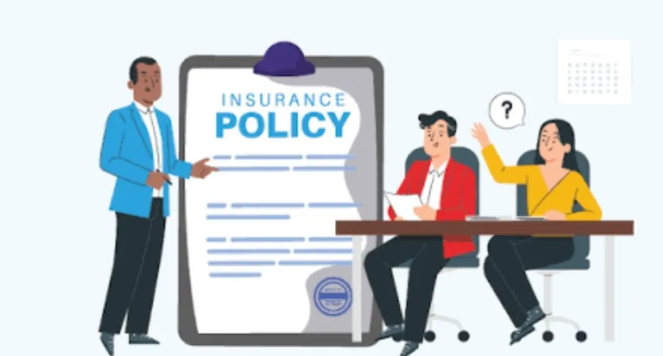
This is why human advice still matters in an era of one-click digital purchases. Aggregator apps make comparison effortless, but an experienced advisor or PoSP translates dense policy wordings into real claim scenarios so you aren’t caught unaware at the hospital billing desk.
Hiding information to get a lower premium
Whether it is smoking, an existing medical condition, or another relevant detail, withholding information at the time of purchase can create serious problems during underwriting and claims.
Insurance works on the information provided by the customer. Saving a little on premium today is not worth creating uncertainty around a future claim. Complete and accurate disclosure is one of the simplest ways a policyholder can protect themselves.
Treating insurance as a one-time purchase
Perhaps the biggest mistake is assuming that once a policy is bought, the job is finished.
Families change. Children grow up. Salaries increase. Loans are taken. Parents become financially dependent. Medical costs rise. Yet insurance policies often remain exactly where they were years ago.
A periodic insurance review can identify whether the sum insured is still adequate, whether additional protection is required, and whether nominee details and other policy information remain updated.
Assuming digital convenience has replaced human guidance
India’s insurance journey is becoming increasingly digital, and that is a positive development. But convenience should not come at the cost of understanding.
For many families, particularly outside the largest metros, a trusted local insurance advisor or PoSP can still be the person who explains the difference between two seemingly similar policies, helps a customer understand exclusions, assists with documentation, and remains accessible when questions arise.
The future of insurance will not be digital or human. It will increasingly be both – phygital.
The biggest insurance mistake Indian families can make is therefore not simply buying the wrong policy. It is buying protection without understanding it, and then never revisiting it.
Insurance should evolve as the family evolves. The right cover, bought at the right time, understood properly and reviewed regularly, can turn insurance from a formality into what it was always meant to be: a financial safety net when the family needs it most.