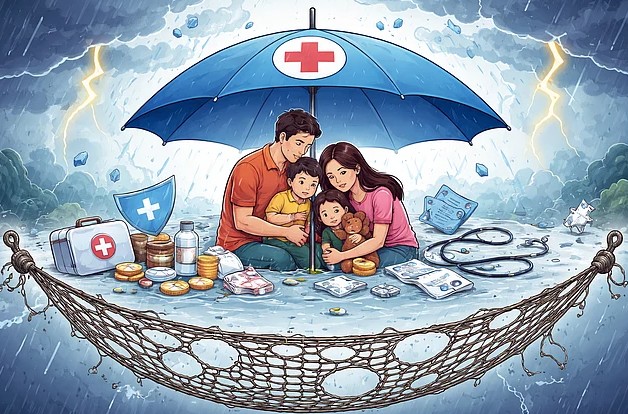

The internet has certainly made things easier, and one of the innovations that the net has given is in insurance, specifically buying health insurance online. You can easily compare and contrast the options available at the click of a mouse, within the comfort of your home or office.
“Online buying has certainly made health insurance more accessible,” says Venkatesh Naidu, CEO at Bajaj Capital Insurance Broking Ltd. Customers get instant comparisons, transparent information and the convenience of researching and purchasing anytime.
Anita Teli, Chief Compliance Officer, Probus, said that you can compare plans, rates, and exclusions online, with no pressure from agents or brokers. The experience is faster, completely paperless, and tracked via a single dashboard.
There is, however, a catch. Sometimes the human element in buying health insurance (read agent) makes a difference.
“You (the person buying insurance online) must comprehend the advice that an agent typically gives, such as what to divulge, waiting periods, or sub-limits,” says Pooja Yadav, chief product officer, Zuno General Insurance. Therefore, even if purchasing online is simpler, understanding what you’re signing up for takes a little more work and guidance.
In the DIY model of online channel, assistance and guidance are minimal.
Despite this, if you have decided not to have a human interface and to buy your policy online, experts guide us on the way forward.
How to buy insurance online?
“Customers only focus on the premium offering of the digital journey (which is fast) and ignore important information like room rent ceilings, co-payment and limitations by certain illnesses and waiting periods,” says Teli, commenting on one of the most common errors in buying health insurance online.
When buying health insurance online, many customers fall into behaviour-driven mistakes.
“The most common is choosing a policy purely because the premium is low, without checking whether the coverage actually meets their family’s needs,” says Naidu. Some buyers also treat health insurance like a tax-saving tool rather than a long-term protection plan.
Purchasing exclusively premium plans creates another gap because less expensive policies frequently contain more stringent room rent limitations, co-pays, and sub-limits that only become apparent when a claim is made, says Yadav. Additionally, people frequently overlook optional add-on covers because they believe they won’t be needed, only to discover later that they would have been beneficial.
“The average customer is not aware that they must declare even older medical tests and past discontinued medications before buying insurance,” says Teli. Furthermore, they may not be aware of waiting periods or assume that all treatments qualify for cashless treatments wherever and whenever.
Customers often forget to check conditions that apply to portability and whether pre-existing or post-hospitalisation limits will be assessed before eligibility.
Given the ease of buying online, customers may believe that the claims process will be equally effortless without knowing what is required to qualify to submit a claim successfully.
“Most buyers don’t overlook things intentionally; they simply aren’t aware of the technical aspects that directly affect claims,” says Naidu. Online buyers often miss critical clauses like room rent limits and proportionate deductions, which can significantly reduce the claim payout if they choose a room beyond their entitlement.
They also tend to skip understanding waiting periods, sub-limits on treatments, how No Claim Bonus accumulates, restoration benefits, and whether their preferred hospitals are part of the insurer’s cashless network.
These are not ‘mistakes’ in the behavioural sense; they are gaps in understanding. But these overlooked details often determine whether a future claim is seamless or stressful.
“Rushing through the proposal form is the most frequent error,” says Yadav when buying health insurance online. Many people check “no pre-existing conditions” without considering past medical advice, ongoing symptoms, or tests.
“When buying health insurance, it’s important to be completely honest about your health,” says Naidu. Share any illnesses you already have, medicines you take regularly, past surgeries, lifestyle habits like smoking, and even tests you’re currently undergoing.
Most claim problems happen not because the insurer wants to reject them, but because something wasn’t shared upfront. “A slightly higher premium is always worth the peace of mind that your claim will be paid when your family needs it,” says Naidu.
Remember that at the end of the day, it’s not about online versus offline, as both have their place. Online is great for quick comparisons, but advice-led purchase ensures the coverage you buy actually protects you at the time of hospitalisation. “The right choice depends on how confident the buyer is in understanding the nuances of health insurance,” says Naidu.