
Buying insurance in India may soon become as simple as booking a flight or ordering groceries online. With Bima Sugam set to launch in phases, consumers will be able to compare and buy standard insurance products directly from insurers without relying on agents or intermediaries. The platform is expected to begin with relatively straightforward products such as motor insurance for new vehicles, before gradually expanding to more complex categories like health and life insurance.
But while digital access can make insurance purchases faster and more transparent, industry experts say convenience alone cannot solve one of insurance’s biggest problems. It is important to help customers understand exactly what they are buying.
DIY challenge for health, life and motor insurance
Standard motor insurance and plain-vanilla term life policies are relatively easier for informed consumers to buy online. Health insurance, however, is a different proposition.
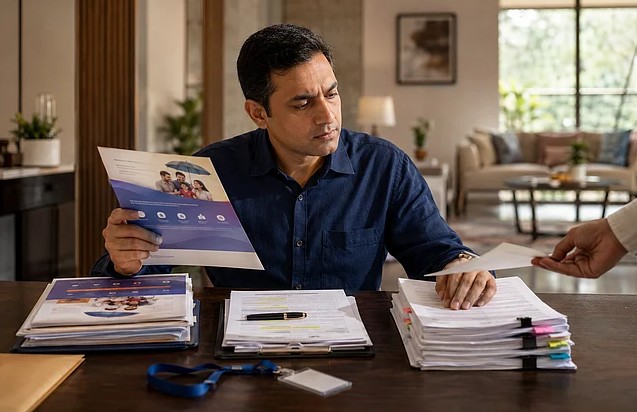
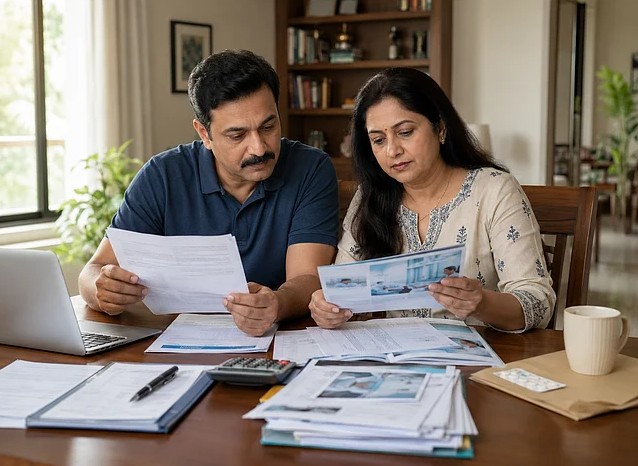
Two health policies with identical premiums can differ sharply in waiting periods, room rent limits, co-pay clauses, exclusions and coverage for pre-existing diseases. These differences are often buried in policy documents, making it difficult for buyers to compare products on features rather than price.
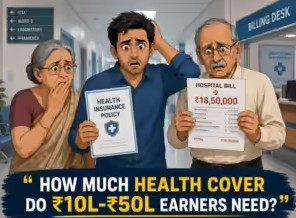
“As a result, many consumers end up choosing policies based on premium alone or buying inadequate cover. A standard Rs 5 lakh policy may seem sufficient until a single hospitalisation in a metro city consumes most of it,” said Ryan Singh, Co-founder and COO, Loop Health.
“Indians can buy health insurance digitally by themselves, but the real challenge is ensuring they understand what they’re buying,” said Singh.
The biggest mistake people make is treating insurance like a grocery item where you just look at the price tag. They buy purely on the premium, completely missing the landmines in the fine print – like waiting periods, co-pays, room rent caps, or hidden exclusions. They only realise what they actually bought when a claim gets rejected.
Experts say the challenge isn’t limited to health insurance.
“Even a standard motor insurance policy has so many moving parts – like choosing the right IDV, zero-depreciation add-ons, or engine protection. If you get those wrong, you are looking at significant out-of-pocket costs when you actually file a claim. So it’s never really a pure DIY purchase,” said Rakesh Goyal, Director of Probus.
Digital platforms are great for quick transactions, but for motor, health, or life insurance, consumers still need professional guidance to understand policy wording, assess suitable coverage and navigate claims when things go wrong.
“DIY only works when the consumer has first taken stock of their own risk profile. Someone with a long highway commute, an ageing vehicle, or dependents faces very different exposure than someone who drives occasionally within the city. The product may be standard, the coverage decisions within it are not. Knowing your specific risks is what makes DIY effective, not just convenient,” said Saurabh Vijayvergia, Founder & CEO, CoverSure.
As Bima Sugam makes insurance easier to access and compare, experts say the platform’s success will also depend on how effectively it helps consumers understand policy features before they buy, not after a claim is rejected.